
Terror Croc
Deinosuchus riograndensis
"Terrible Rio Grande crocodile"
About this species
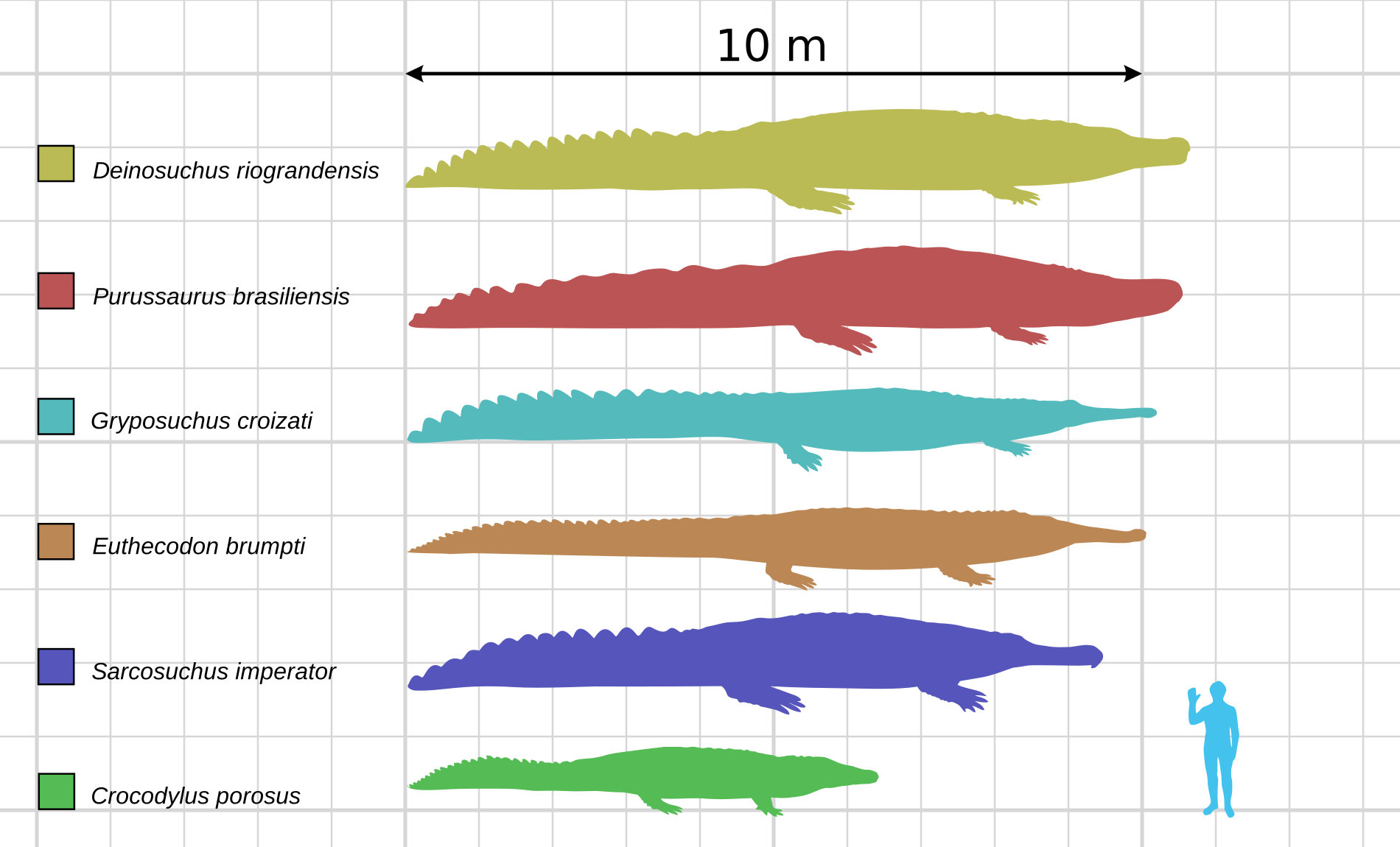
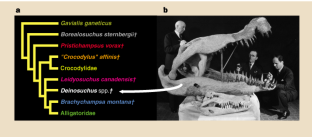
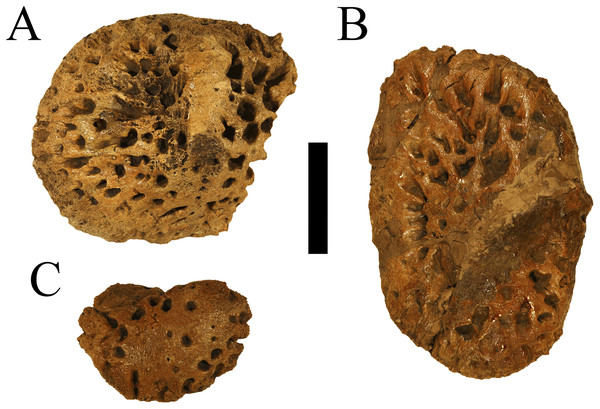
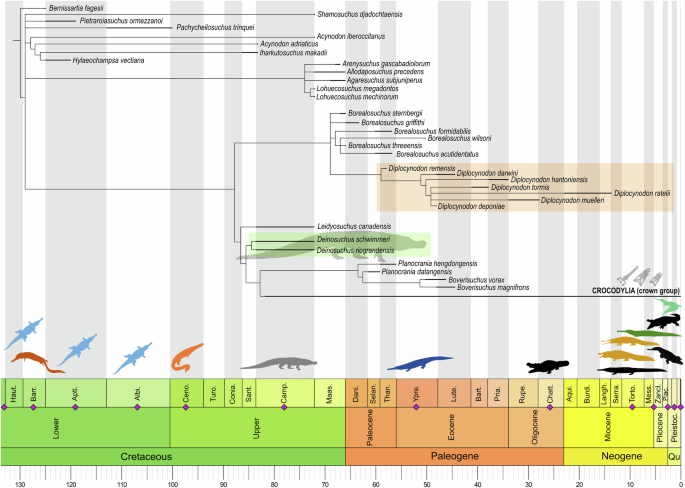
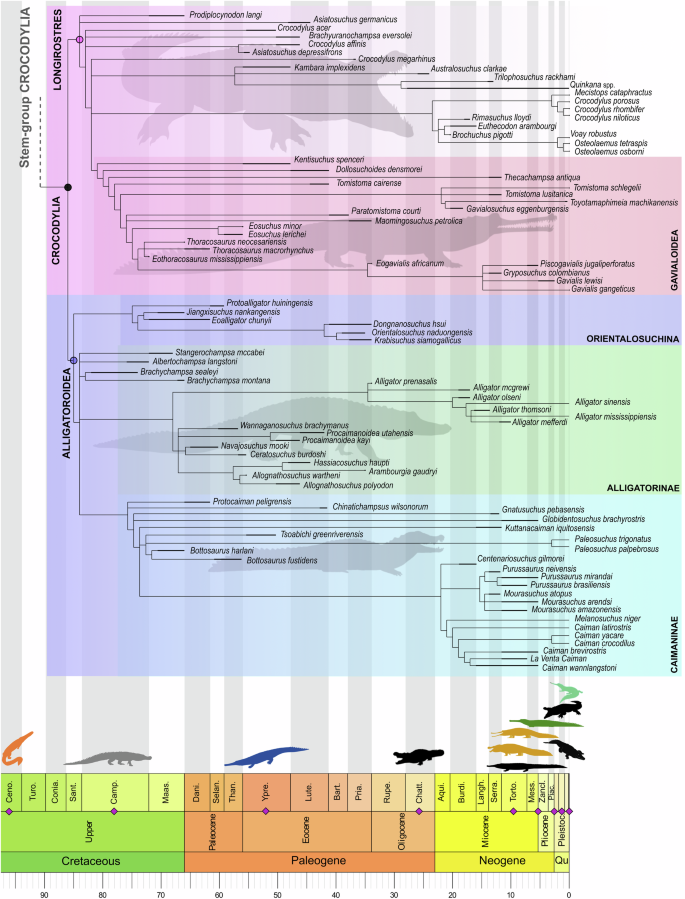
Deinosuchus riograndensis was one of the largest crocodilians ever to live, reaching about 10 to 12 meters in length and 3,500 to 8,500 kg. Placed in the superfamily Alligatoroidea according to the revision of Cossette and Brochu (2020), it inhabited the coastal plains and estuaries of the Western Interior Seaway during the Campanian, around 82 to 73 million years ago. Its name means, terrible crocodile of the Rio Grande, after the river that bounds Big Bend National Park, Texas, where the most complete specimens were collected. It had banana-sized teeth, thick dorsal osteoderms and a bite force comparable to that of Tyrannosaurus rex, preying on hadrosaurs, ceratopsians and marine turtles. A recent phylogenetic analysis by Walter et al. (2025) proposed repositioning the genus as a stem-crocodylian outside Alligatoroidea.
Geological formation & environment
The Aguja Formation in Big Bend, Texas, is a prodeltaic, deltaic and fluvial sequence deposited during the final regression of the Western Interior Seaway in the Campanian. It includes the Pen Member, Terlingua Creek Sandstone and Upper Shale Member. It is exposed along tributary valleys of the Rio Grande, especially in the Tornillo and Terlingua creeks. The associated fauna includes the ceratopsian Agujaceratops, the hadrosaur Aquilarhinus, small theropods, pachycephalosaurids such as Texacephale, trionychoid turtles and Deinosuchus riograndensis itself. The paleoenvironmental analysis by Anglen and Lehman (2000) confirms the estuarine and deltaic character of the formation, an environment consistent with the paleobiology of the giant crocodilian.
Image gallery


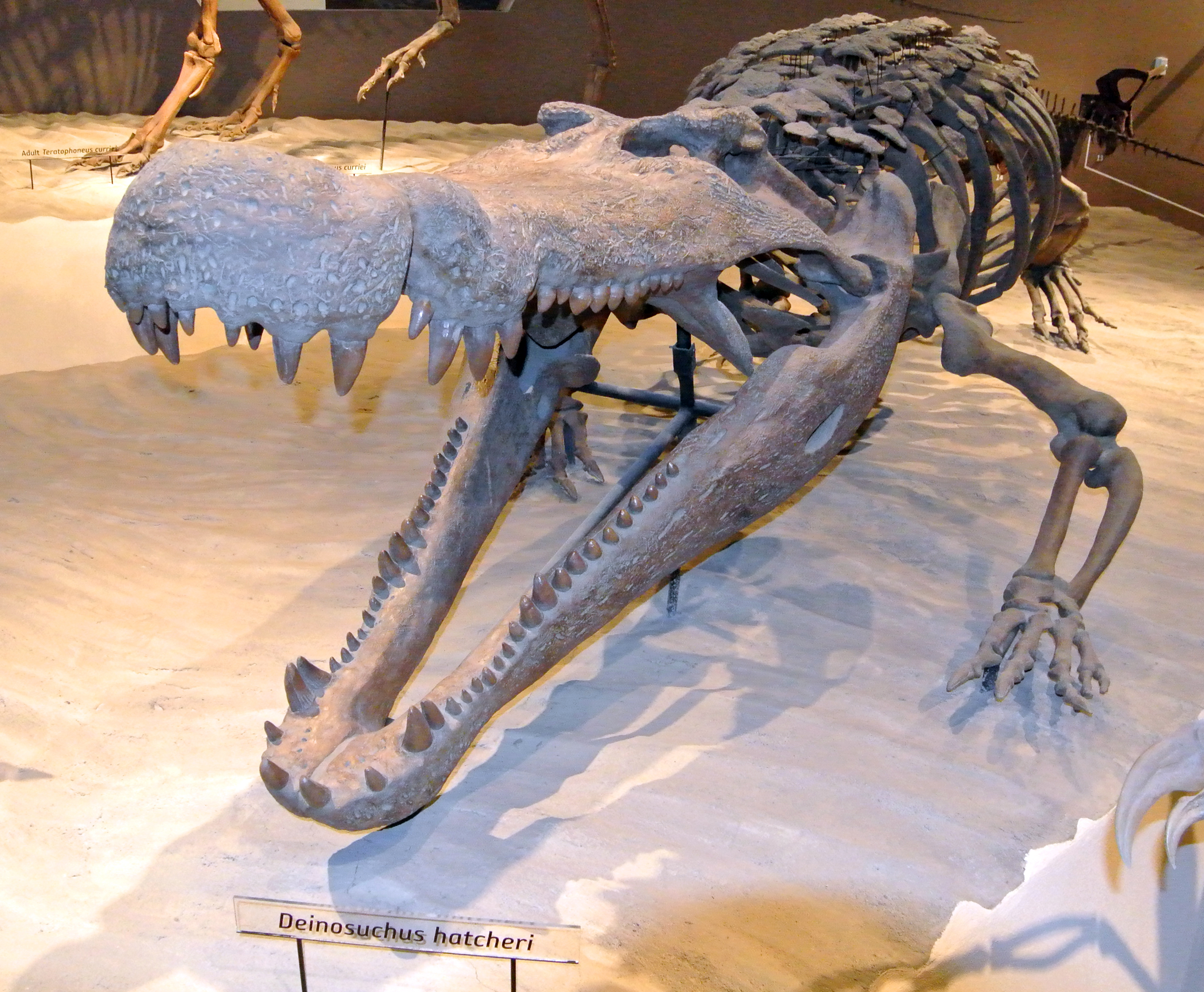

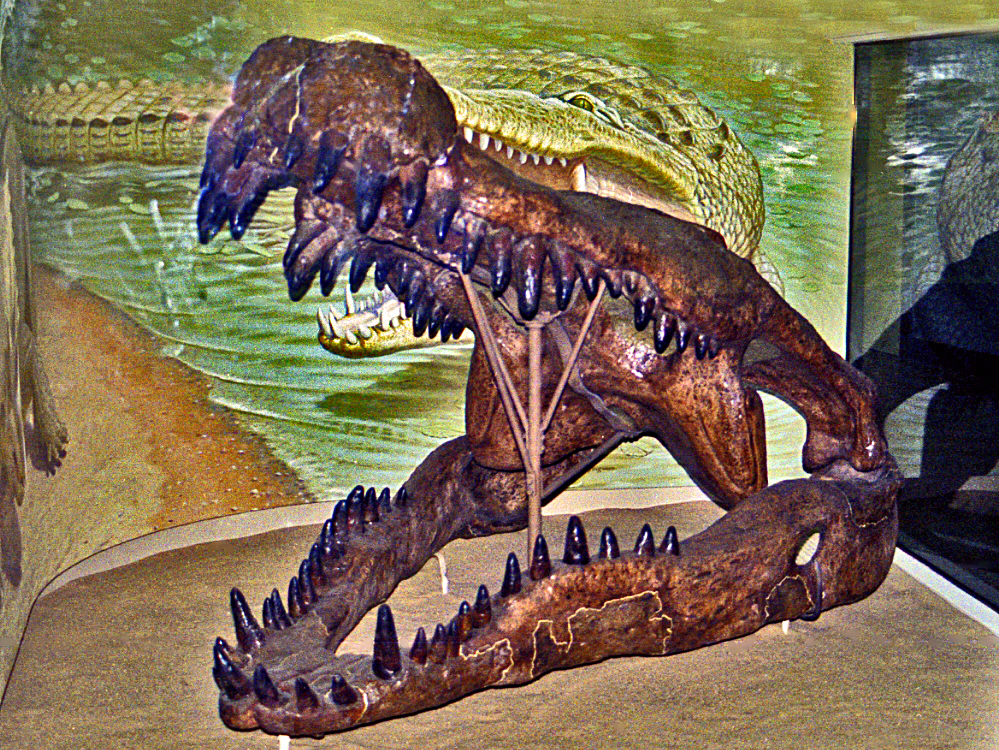
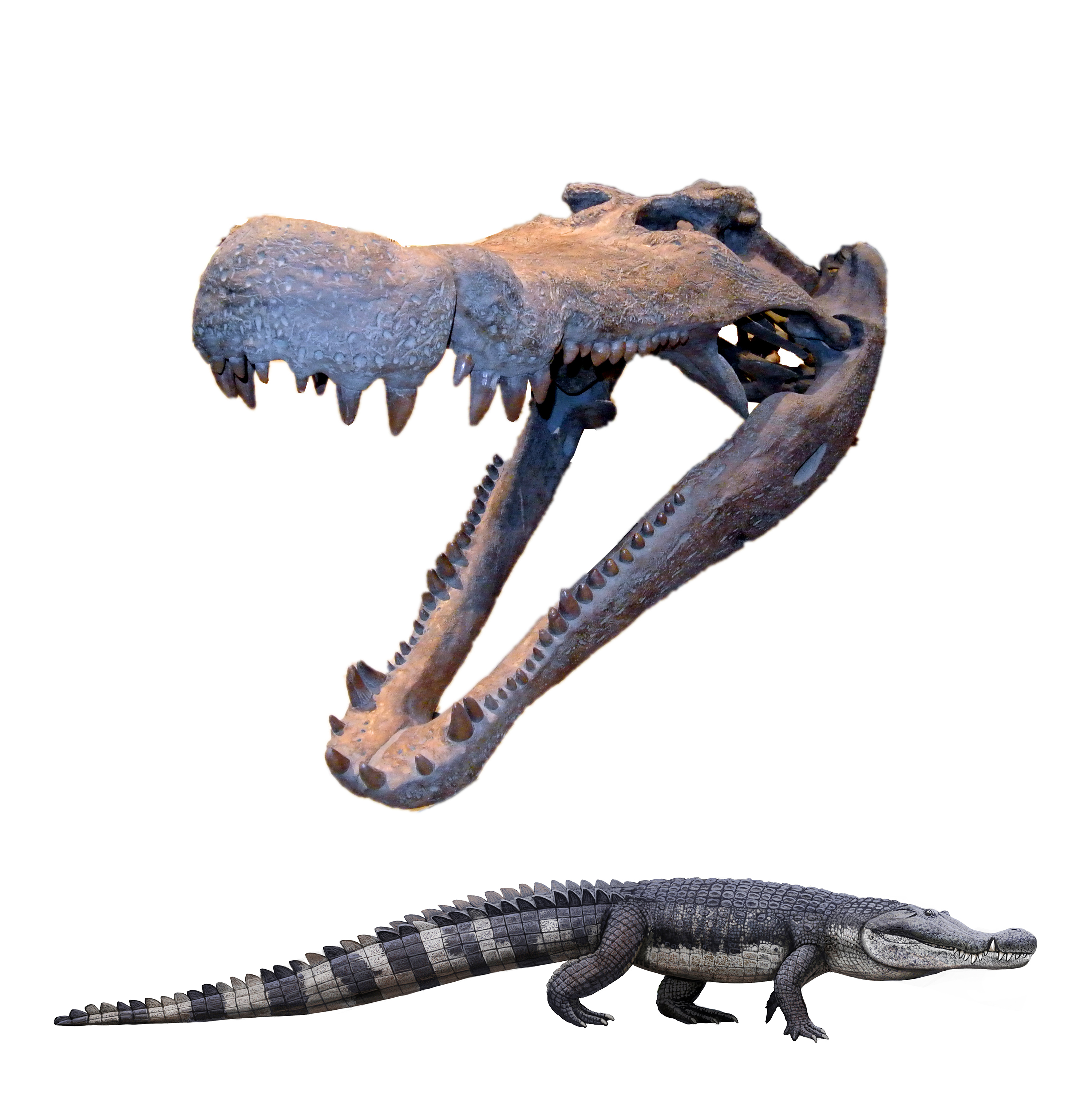


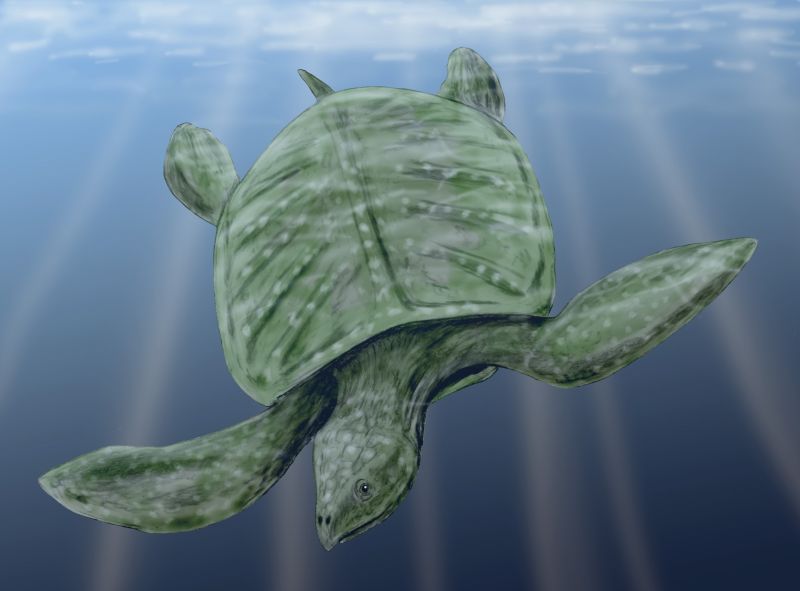

Life reconstruction of Deinosuchus by Andrey Atuchin, showing the crocodilian in ambush along the edge of a Campanian estuarine plain. The paleoart synthesizes the current consensus on proportions, plausible coloration and ecology.
Andrey Atuchin / Wikimedia Commons, CC BY-SA 4.0
Ecology and behavior
Habitat
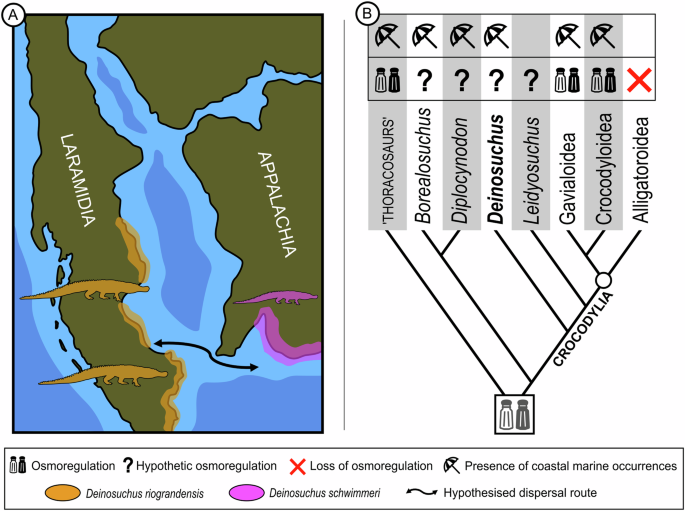
Deinosuchus riograndensis inhabited the coastal plains, deltas and estuaries of the Aguja Formation in the southern Western Interior Seaway, present-day Texas, during the Campanian. The environment combined fluvial channels, paleosols, shallow marine bays and dense floodplain vegetation. Sedimentological analysis by Anglen and Lehman (2000) showed that the genus occurs in deltaic and estuarine facies, in fresh, brackish and shallow marine waters, suggesting wide osmotic tolerance consistent with functional salt glands later proposed by Walter et al. (2025).
Feeding
Deinosuchus was an ambush predator that consumed hadrosaurs, ceratopsians and marine turtles. Bite marks on hadrosaur bones and turtle shells, documented by Schwimmer and Williams (1996), attest to direct predation. The bite force estimated by Erickson et al. (2012) ranged between 18,000 and 102,000 newtons, comparable to or greater than that of Tyrannosaurus rex. The banana-shaped, robust conical teeth were adapted for crushing shells and holding large prey during the death roll modeled by Blanco et al. (2014).
Behavior and senses
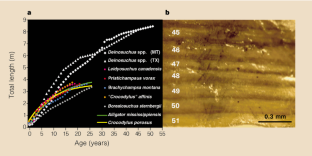
As a giant crocodilian, Deinosuchus almost certainly hunted by ambush along fluvial and estuarine margins, similar to Nile and modern saltwater crocodiles. Growth rings on the osteoderms analyzed by Erickson and Brochu (1999) indicate growth prolonged over decades, with individuals reaching ages between 35 and 50 years. The death roll, modeled by Blanco et al. (2014), would be the method for dismembering large prey. Social behavior likely included territoriality around water points, as in modern crocodilians.
Physiology and growth
Deinosuchus osmoregulation is debated. Walter et al. (2025) argue that the genus possessed functional salt glands, a hypothesis consistent with its presence in brackish and shallow marine environments. Extensive osteoderms provided thermal insulation and acted as solar heat collectors, contributing to gigantothermy. The prolonged growth hypothesis proposed by Erickson and Brochu (1999) implies conservative metabolism, similar to modern crocodilians but adapted to extreme sizes. Coexistence with smaller alligatoroids such as Brachychampsa indicates niche partitioning in the Campanian fauna.
Paleogeography
Continental configuration

Ron Blakey · CC BY 3.0 · Cretáceous, ~90 Ma
During the Campaniano (~82–73 Ma), Deinosuchus riograndensis inhabited Laramidia, the western half of present-day North America, separated from the east by the Western Interior Seaway, a shallow sea dividing the continent. The continents were in very different positions: India was drifting toward Asia, Antarctica was still connected to Australia, and South America was an isolated island.
Bone Inventory
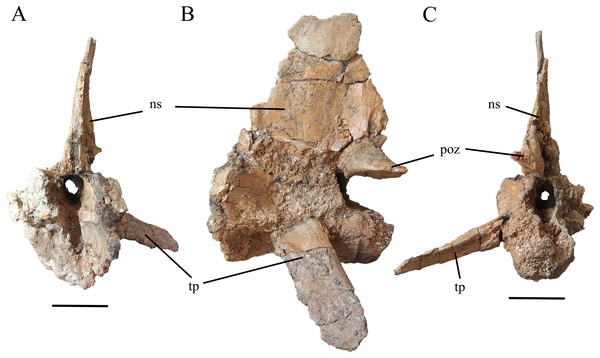
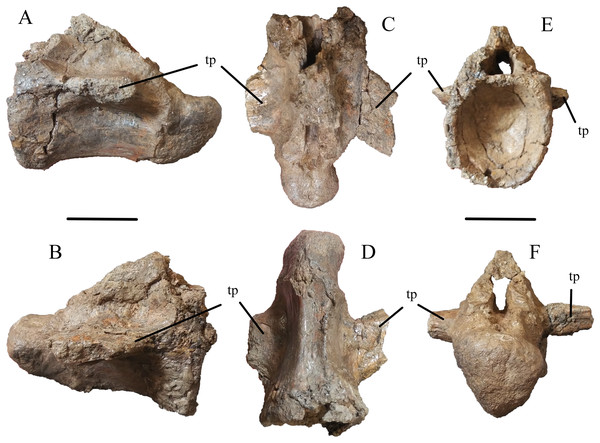
No complete skeleton of Deinosuchus riograndensis has been found. Current knowledge of the species comes from cranial, mandibular, vertebral, rib, girdle and partial limb material collected at different localities in Texas, especially Big Bend National Park. The dorsal osteoderms are abundant and well preserved, allowing body size estimates through their growth rings, as demonstrated by Erickson and Brochu in 1999.
Found elements
Inferred elements
Scientific Literature
15 papers in chronological order — from the original description to recent research.
Report of the North-Carolina Geological Survey
Emmons, E. · Henry D. Turner, Raleigh
Initial milestone in the nomenclatural history of the genus. Ebenezer Emmons described a large, striated isolated tooth from Cretaceous deposits of North Carolina, assigning it to Polyptychodon rugosus, a genus then used for marine reptiles. The material would be reinterpreted decades later as belonging to a giant crocodilian, and the epithet rugosus came to designate the eastern species of the genus Deinosuchus, valid during much of the 20th century. The 2020 revision by Cossette and Brochu considered the original material undiagnostic and restricted the use of the name rugosus, redirecting many eastern specimens to the new species D. schwimmeri. The paper remains the formal starting point of the taxon's history.


Deinosuchus hatcheri, a new genus and species of crocodile from the Judith River Beds of Montana
Holland, W.J. · Annals of the Carnegie Museum
William J. Holland erected the genus Deinosuchus from fragmentary cranial material, vertebrae and osteoderms collected by John Bell Hatcher in the Judith River Formation of Montana in 1903. The name combines the Greek words for terrible and crocodile, reflecting the immediate perception of the animal's exceptional size. The type species Deinosuchus hatcheri was thus formally named, fixing the genus in the paleontological literature. Holland's work first described the robust dorsal scutes and vertebral bones that would come to define the genus, and opened the way for decades of search for more complete specimens in other Campanian North American formations.


A gigantic crocodile from the Upper Cretaceous beds of Texas
Colbert, E.H. & Bird, R.T. · American Museum Novitates
Edwin Colbert and Roland Bird described specimen AMNH 3073, collected by the American Museum of Natural History expedition to Big Bend, Texas, in 1940 under the leadership of Barnum Brown. The authors assigned the material to the European genus Phobosuchus, creating the combination Phobosuchus riograndensis. The published cranial reconstruction overestimated the animal's size, projecting a length of about 15 meters, a value revised downward in subsequent decades. Despite dimensional inaccuracy, the work consolidated knowledge about the giant Texas crocodilian and became a required reference until the formal synonymy between Phobosuchus and Deinosuchus established by later studies that placed the species in the current genus.

New specimens of Deinosuchus rugosus, and further consideration of its time, place, and diet
Schwimmer, D.R. & Williams, G.D. · Journal of Vertebrate Paleontology
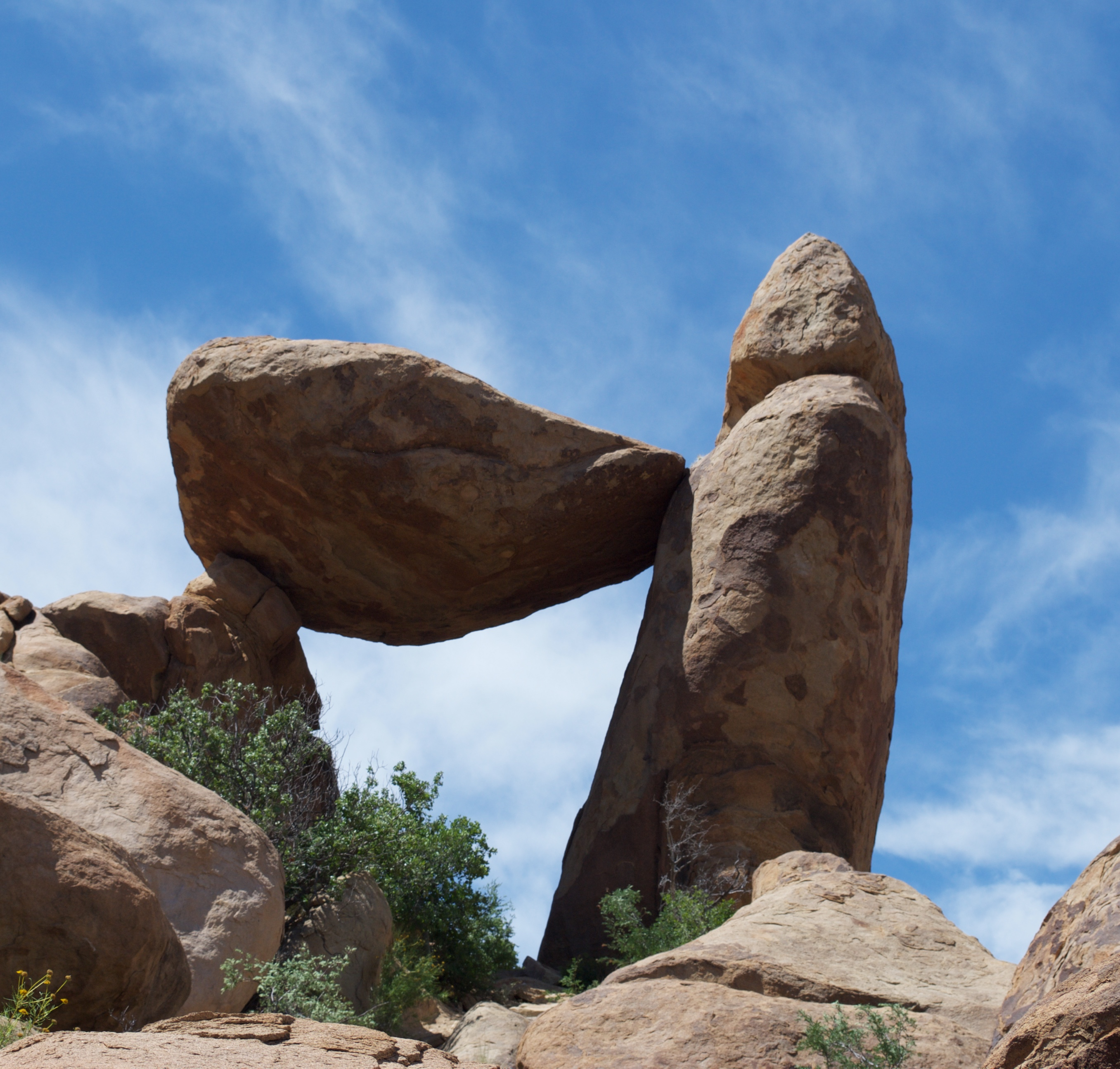
David Schwimmer and Wayne Williams described new eastern specimens of Deinosuchus rugosus from Georgia, Alabama and other eastern US states, expanding the record of the genus along the eastern shore of the Western Interior Seaway. The paper discusses in detail the temporal and paleogeographic distribution of the animal and presents evidence of chelonivory, or turtle consumption, based on bite marks on fossil shells. The authors propose that eastern and western populations occupied similar estuaries and coastal plains but reached different sizes, with Texas individuals attaining the largest dimensions. The work paved the way for the 2002 monograph and the later taxonomic revision of the genus.


Phylogenetics, Taxonomy, and Historical Biogeography of Alligatoroidea
Brochu, C.A. · Society of Vertebrate Paleontology Memoir 6
Christopher Brochu published the most comprehensive phylogenetic and biogeographic analysis ever produced on Alligatoroidea, integrating all fossil and living taxa of the group. Deinosuchus was placed as a basal alligatoroid, that is, near the base of the superfamily that includes modern alligators, with distant affinities to true crocodiles. The analysis rested on a robust matrix of cranial and postcranial characters and on the Cretaceous and Cenozoic fossil record. The work served as a fundamental reference for more than two decades and supported the traditional classification of the genus as an alligatoroid, a position later questioned by the expanded analysis of Walter and colleagues in 2025. It remains a required reference for any study of the group.

How the 'terror crocodile' grew so big
Erickson, G.M. & Brochu, C.A. · Nature
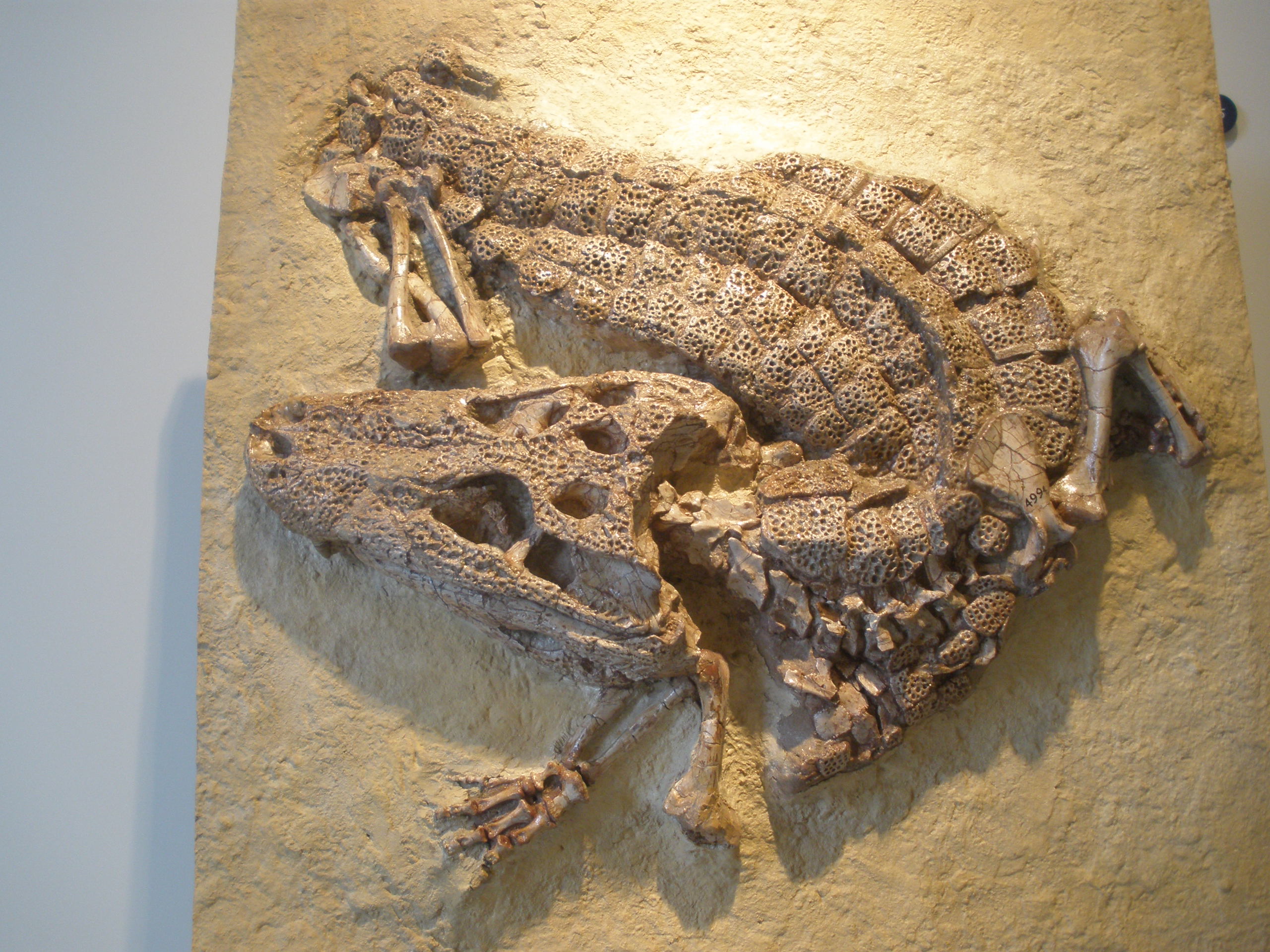
Gregory Erickson and Christopher Brochu published in Nature a pioneering study on Deinosuchus growth based on histology of dorsal osteoderms. The authors demonstrated that the growth rings of the scutes preserve an annual record and that Deinosuchus reached giant sizes thanks to growth prolonged over decades, rather than an extraordinarily high growth rate. Estimates indicate that adult individuals would be 35 to 50 years old, with a growth curve similar to that of modern crocodilians but extended in time. The paper established the paradigm of gigantothermy through long life in the genus and influenced subsequent work on growth in other extinct crocodilians and in giant dinosaurs.

Habitat of the giant crocodilian Deinosuchus, Aguja Formation (Upper Cretaceous), Big Bend National Park, Texas
Anglen, J.J. & Lehman, T.M. · Journal of Vertebrate Paleontology
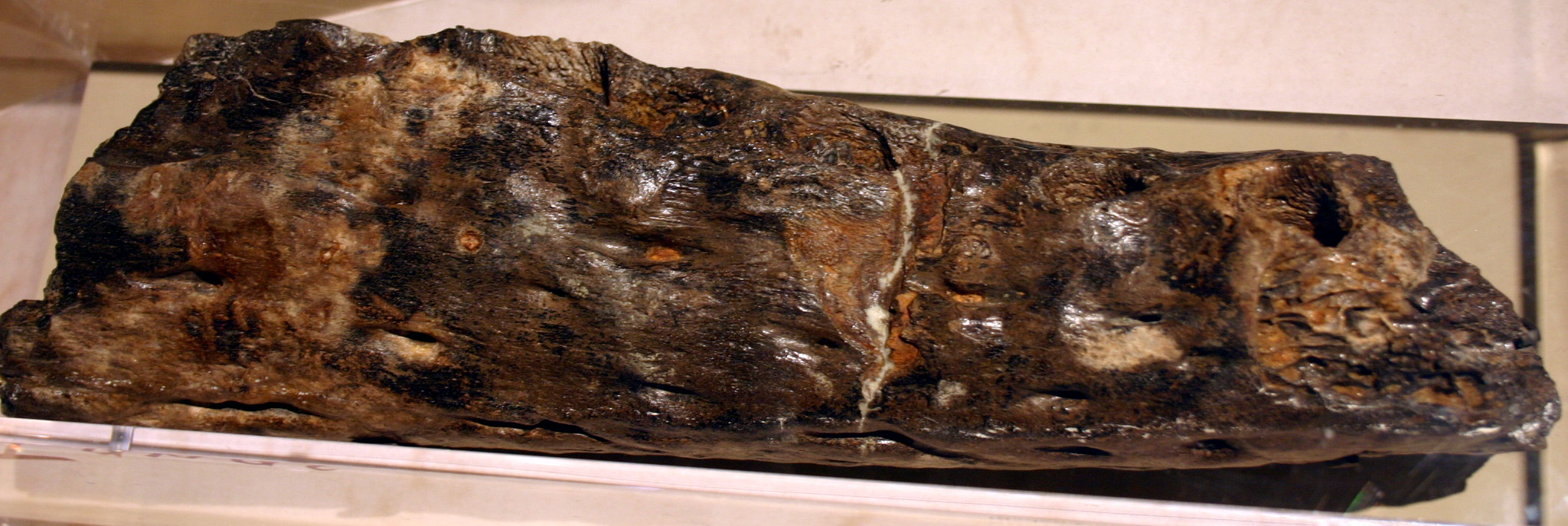
John Anglen and Thomas Lehman conducted a detailed sedimentological analysis of the Aguja Formation deposits that preserved Deinosuchus material in Big Bend, Texas. The authors demonstrated that the bones of the giant crocodilian occur in deltaic plain facies and estuarine environments of the final regression of the Western Interior Seaway, with paleosols, fluvial channels and shallow marine bays. The environment is interpreted as a coastal system with dense vegetation, floodplains and proximity to brackish waters. The work consolidated the ecological interpretation of Deinosuchus as an estuarine ambush predator comparable to Nile crocodiles and modern saltwater crocodiles, refining the paleoenvironmental models proposed by earlier studies.


Late Campanian Southern Dinosaurs, Aguja Formation, Big Bend, Texas
Sankey, J.T. · Journal of Paleontology
Julia Sankey published a detailed taxonomic inventory of the Campanian dinosaurs of the Aguja Formation in Big Bend, Texas. The work documented the presence of hadrosaurs, ceratopsians such as Agujaceratops, small theropods and large herbivores, describing the complete fauna that coexisted with Deinosuchus on the same deltaic plain. The analysis compares the fauna of the southern Western Interior Seaway with that of the north, demonstrating biogeographic provincialism in the Campanian. The work is central to understanding the ecosystem in which Deinosuchus operated as an estuarine ambush predator, offering the list of potential prey and the context in which Campanian megafauna was distributed.


King of the Crocodylians: The Paleobiology of Deinosuchus
Schwimmer, D.R. · Indiana University Press
David Schwimmer published the first comprehensive monograph on Deinosuchus through Indiana University Press, synthesizing all knowledge accumulated since Holland in 1909. The book covers nomenclatural history, cranial and postcranial anatomy, geographic distribution across the eastern and western United States, ecology, diet, predatory behavior and bite biomechanics. Schwimmer presents conservative body size estimates, refining the inflated values of earlier decades, and discusses bite marks on hadrosaur and turtle bones as direct evidence of predation. The work became the canonical reference on the genus for nearly two decades, surpassed only by the taxonomic revision of Cossette and Brochu in 2020. It remains essential reading for any study of the animal.


First occurrences of Deinosuchus in Mexico
Westgate, J.W., Brown, R.B., Pittman, J., Cope, D. & Calede, J. · Journal of Vertebrate Paleontology
James Westgate and colleagues reported the first records of Deinosuchus in Upper Campanian rocks of northern Mexico. The material, although fragmentary, includes characteristic teeth and postcranial elements assignable to the genus. The discovery significantly expanded the geographic distribution of Deinosuchus southward, demonstrating that the giant crocodilian also inhabited Mexican coastal plains during the Campanian. The work strengthens the interpretation of a single bioprovince along the western margin of the Western Interior Seaway, with Deinosuchus as a recurrent apex predator in southern North American deltaic environments. The authors further discuss implications for dispersal and population structure of the genus along the interior seaway.


Insights into the Ecology and Evolutionary Success of Crocodilians Revealed through Bite-Force and Tooth-Pressure Experimentation
Erickson, G.M., Gignac, P.M., Steppan, S.J., Lappin, A.K., Vliet, K.A., Brueggen, J.D., Inouye, B.D., Kledzik, D. & Webb, G.J.W. · PLOS ONE
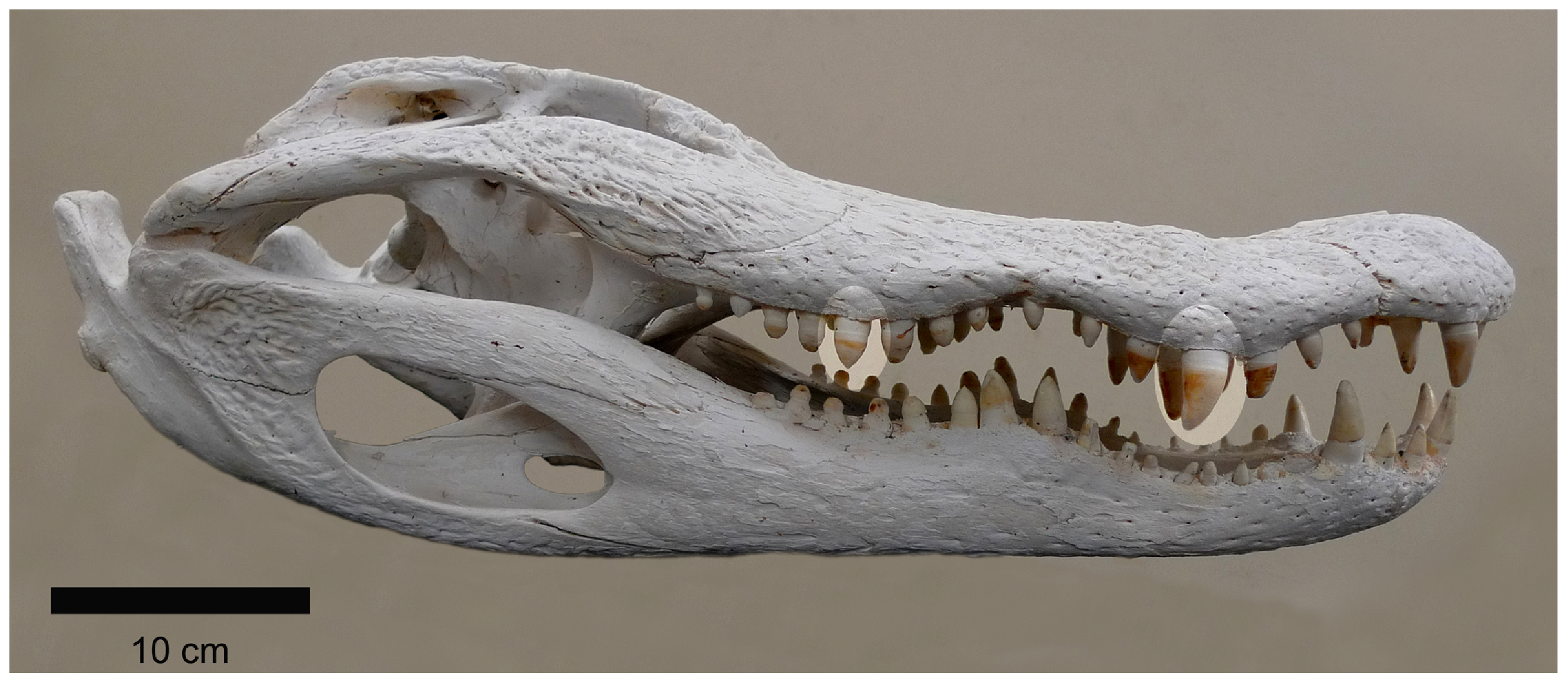
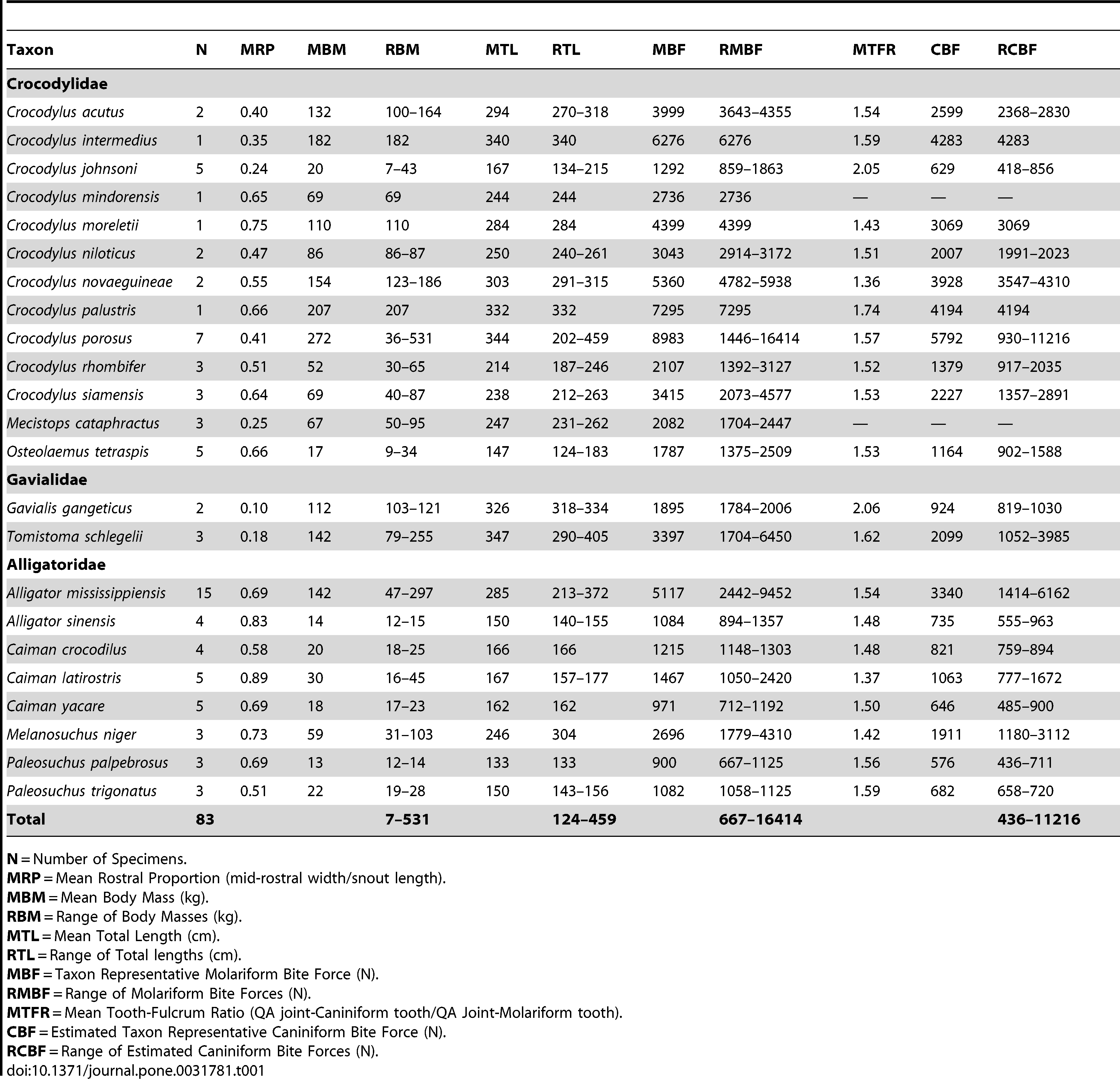
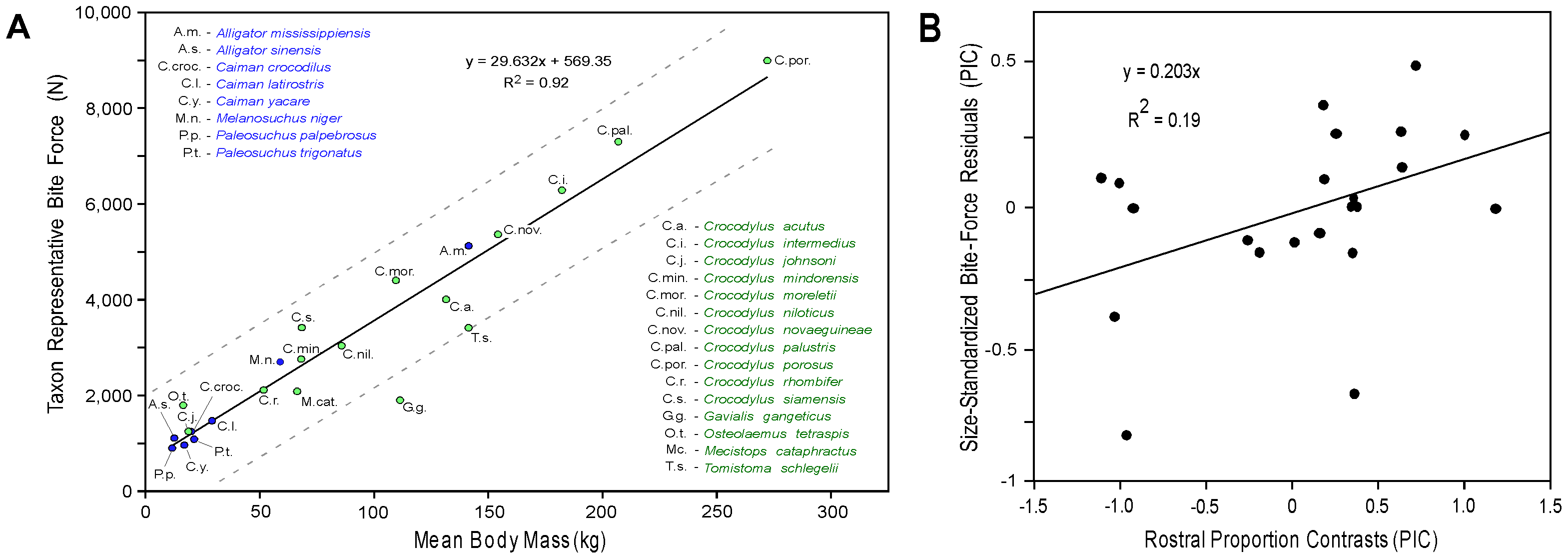
Gregory Erickson and colleagues published in PLOS ONE a comprehensive study on bite force and tooth pressure in all 23 living species of crocodilians, generating the largest experimental dataset ever published for the group. From the allometry between body size and bite force, the authors extrapolated values for Deinosuchus, estimating force between 18,000 and 102,000 newtons, comparable to or greater than Tyrannosaurus rex. The paper demonstrated that bite force allometry is highly conserved in Crocodylia since the Cretaceous, and that giant sizes in extinct forms such as Deinosuchus directly imply biting capacities unparalleled among terrestrial vertebrates. The work underpins the ecological interpretation of the genus as a predator of large prey.

The 'death roll' of giant fossil crocodyliforms (Crocodylomorpha: Neosuchia): Allometric and skull strength analysis
Blanco, R.E., Jones, W.W. & Villamil, J. · Historical Biology
Ernesto Blanco, Washington Jones and Jorge Villamil applied allometric analysis and cranial strength modeling to investigate the feasibility of the death roll in extinct giant crocodyliforms such as Deinosuchus, Sarcosuchus and Purussaurus. The authors demonstrate that, although extreme body size increases the torque involved in the roll, the cranial robustness of Deinosuchus would withstand the forces needed to tear chunks from large prey in rotational movements. The work connects experimental data on modern crocodilians with paleobiological inferences about the genus, supporting the hypothesis that Deinosuchus captured hadrosaurs and ceratopsians with a single bite and dismembered them by death roll, a behavior conserved in Crocodylia since the Cretaceous.


A systematic review of the giant alligatoroid Deinosuchus from the Campanian of North America and its implications for the relationships at the root of Crocodylia
Cossette, A.P. & Brochu, C.A. · Journal of Vertebrate Paleontology
Adam Cossette and Christopher Brochu published the most comprehensive systematic revision ever produced on Deinosuchus, based on all material available in North American collections. The authors recognize three valid species, Deinosuchus hatcheri from Montana, Deinosuchus riograndensis from Texas and Deinosuchus schwimmeri from the eastern United States, this last species being new and erected in the paper. The phylogenetic analysis places the genus as a basal alligatoroid near the root of Crocodylia and supports the formal synonymy with Phobosuchus. The authors discuss intrageneric morphological variability, geographic distribution and biogeography of the group. The work is the current mandatory taxonomic reference for any study of the genus and establishes the nomenclature used in post-2020 research.


First report of Deinosuchus (Crocodylia, Alligatoroidea) from the Allison Member of the Menefee Formation (Upper Cretaceous), New Mexico
Mohler, B.F., McDonald, A.T. & Wolfe, D.G. · PeerJ
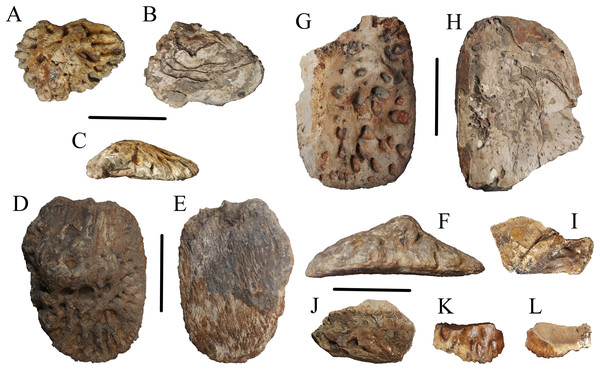
Brandon Mohler, Andrew McDonald and Douglas Wolfe described the first record of Deinosuchus in rocks of the Menefee Formation of New Mexico, in the Allison Member, dated to the early Campanian. The material consists of teeth and postcranial elements assignable to the genus, and pushes back the earliest known occurrence of Deinosuchus to a period older than previously accepted. The authors discuss biogeographic and stratigraphic implications, proposing that the genus appeared in the western Western Interior Seaway before the Texas and Montana records suggested. The work contributes to refining the temporal window of Deinosuchus's ecological occupation in North America and supports the hypothesis of a western origin of the genus prior to eastern expansion.


Expanded phylogeny elucidates Deinosuchus relationships, crocodylian osmoregulation and body-size evolution
Walter, J., Massonne, T., Paiva, A.L.S., Martin, J.E., Delfino, M. & Rabi, M. · Communications Biology
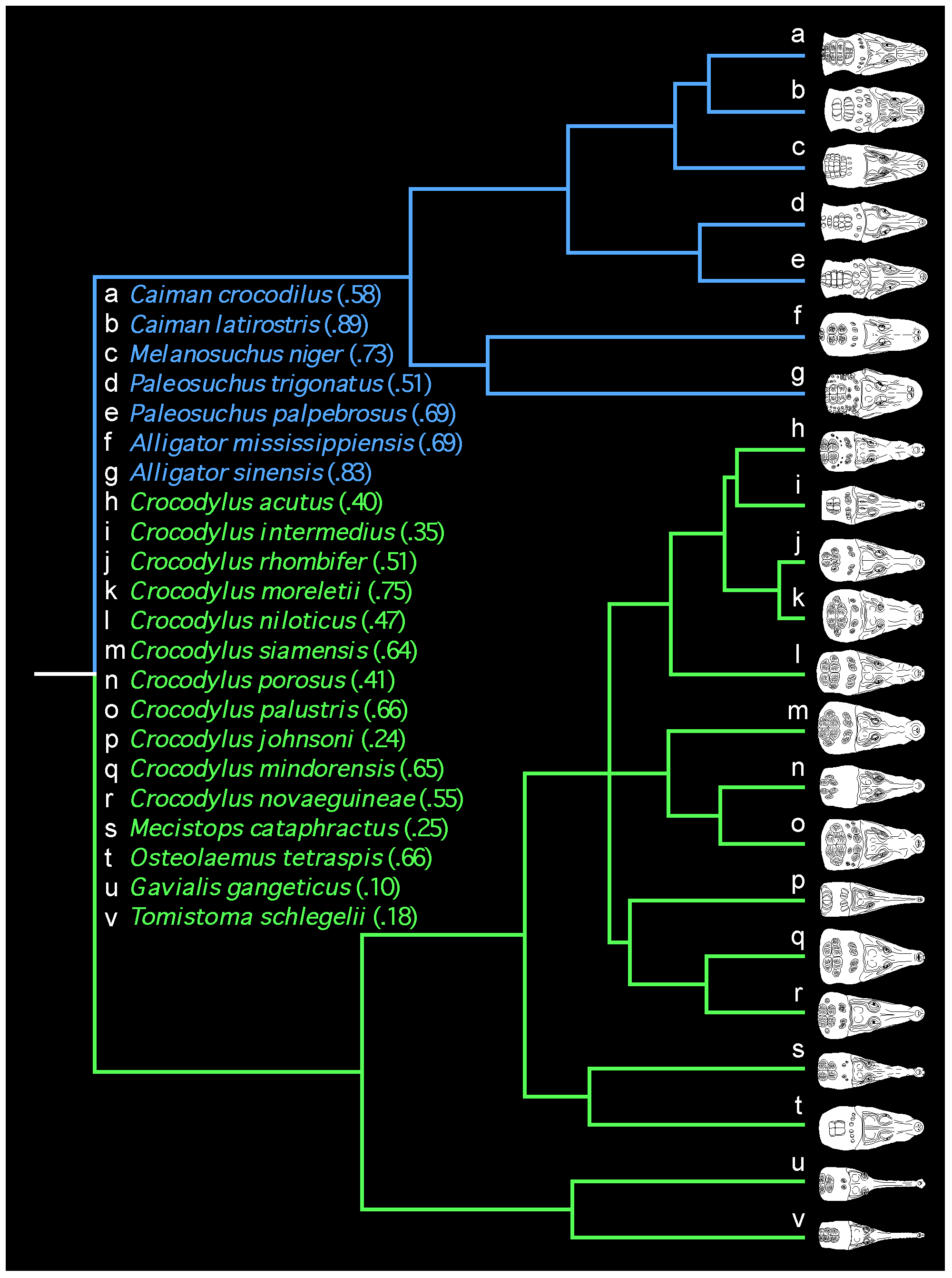
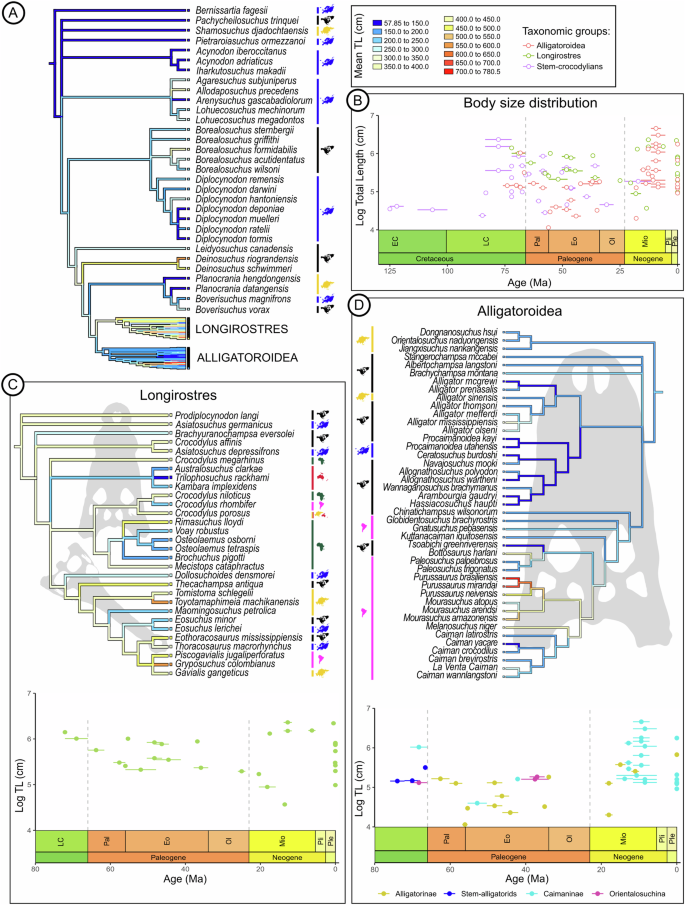
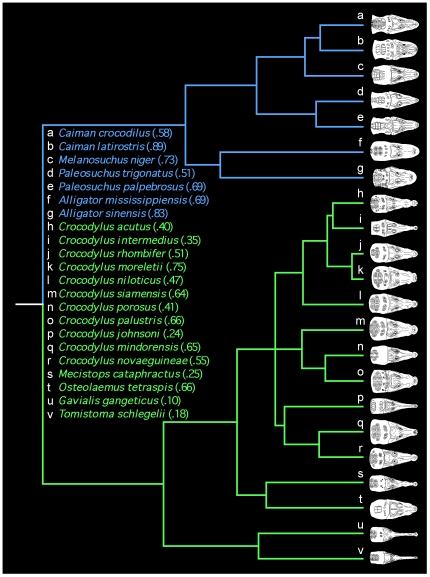
Jules Walter and colleagues published in Communications Biology an expanded phylogenetic analysis of Crocodylia that repositions Deinosuchus as a basal crocodylian outside Alligatoroidea, contrary to the traditional interpretation supported by Brochu (1999) and Cossette and Brochu (2020). The new analysis includes morphological and molecular characters from fossil and living taxa in greater numbers than earlier studies, placing the genus as a stem-crocodylian lineage near the origin of the group. The authors further discuss osmoregulation evolution in crocodylians, proposing that Deinosuchus possessed functional salt glands and tolerance to brackish waters, a hypothesis consistent with its distribution on Campanian coastal plains. The conclusion on body size supports independent gigantism in different extinct crocodylian lineages.


Famous museum specimens

AMNH 3073
American Museum of Natural History, Nova York, EUA
Historic specimen of Deinosuchus riograndensis, collected by the AMNH expedition to Big Bend in 1940 and described by Colbert and Bird in 1954 as Phobosuchus riograndensis. Includes partial skull, mandible and postcranial elements. It was the basis for the inflated cranial reconstruction that dominated public perception of the animal for decades.

Carnegie Museum CM 963
Carnegie Museum of Natural History, Pittsburgh, EUA
Holotype of Deinosuchus hatcheri, collected by John Bell Hatcher in the Judith River Formation of Montana and described by W.J. Holland in 1909. Consists of cranial fragments, vertebrae and osteoderms. It is the material that founded the genus Deinosuchus and remains on display at the Carnegie Museum.

Material oriental (D. schwimmeri)
Coleções Smithsonian (USNM) e North Carolina Museum of Natural Sciences (NCSM)
Set of eastern specimens previously assigned to Deinosuchus rugosus and reclassified as Deinosuchus schwimmeri by Cossette and Brochu in 2020. Material dispersed across US collections, with cranial elements, teeth and osteoderms from North Carolina, Georgia, Alabama and neighboring states. Documents the presence of the genus along the eastern shore of the Western Interior Seaway.
In cinema and popular culture
Deinosuchus appears in media less often than iconic dinosaurs, but has a strong presence in documentaries and children-oriented productions. In 1999, the BBC included a giant crocodilian in the Death of a Dynasty episode of the series Walking with Dinosaurs, identified by television tradition as Deinosuchus, although the identification is contested by specialists. In 2006, Prehistoric Park devoted an entire episode to the animal, titled Supercroc, with host Nigel Marven traveling to Cretaceous Texas to capture a specimen. In animation, the villain Dil in The Land Before Time IV (1996) and the character Deanna Deinosuchus in Dinosaur Train (PBS Kids, 2009) introduced the genus to a children's audience. Common scientific inaccuracies include size overestimation inherited from Colbert and Bird's (1954) reconstruction and depiction as a modern true crocodile, when the animal was an alligatoroid in the traditional classification or a stem-crocodylian according to Walter et al. (2025).
Classification

Discovery
Fun fact
Deinosuchus had banana-sized teeth and a bite force comparable to that of Tyrannosaurus rex. Some hadrosaur vertebrae found in Texas show healed bite marks, direct proof that these dinosaurs were attacked in life by the crocodilian and survived the bite.
Last reviewed: April 25, 2026