Ordovician–Silurian Mass Extinction
"The Great Glaciation"
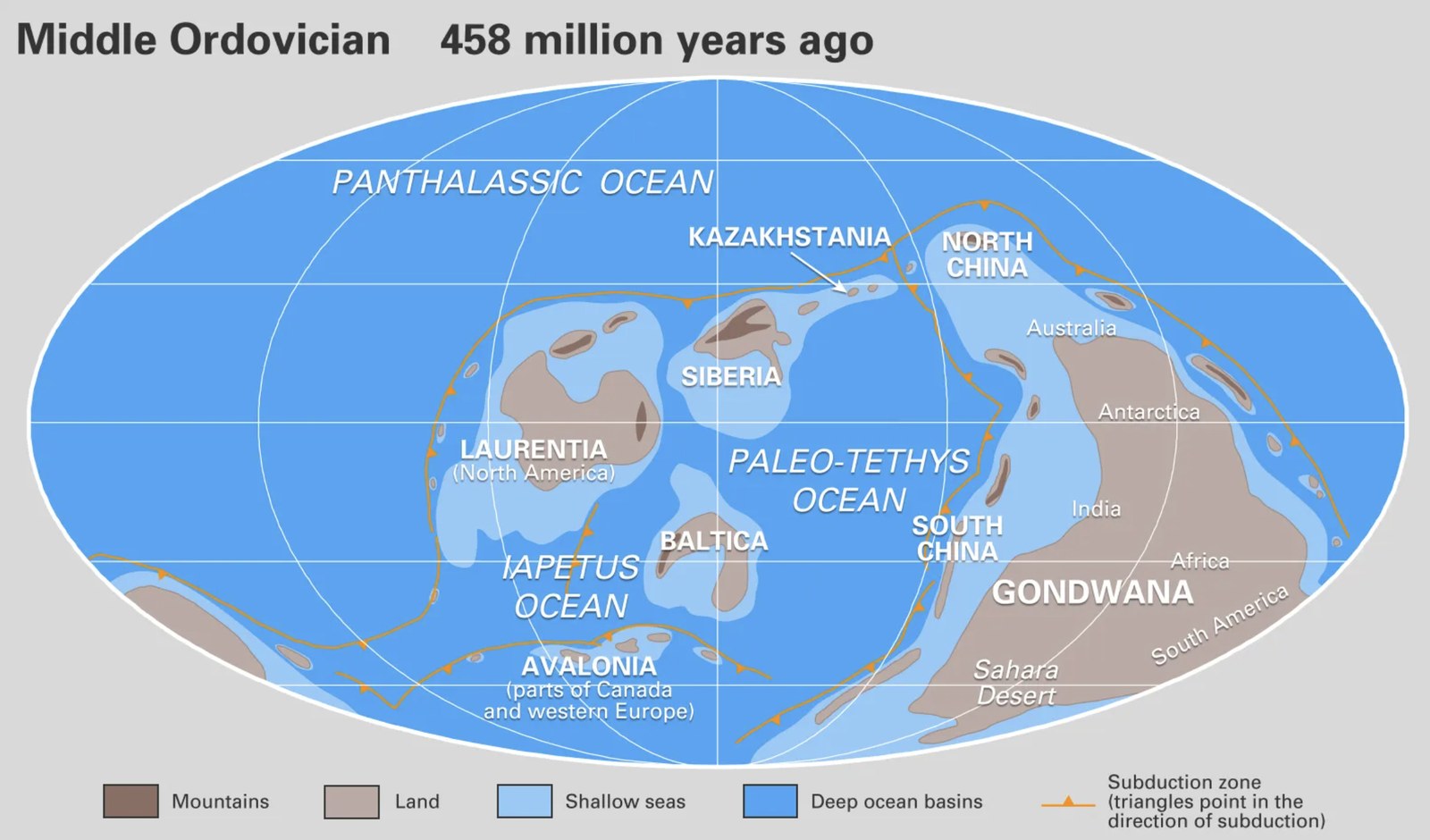

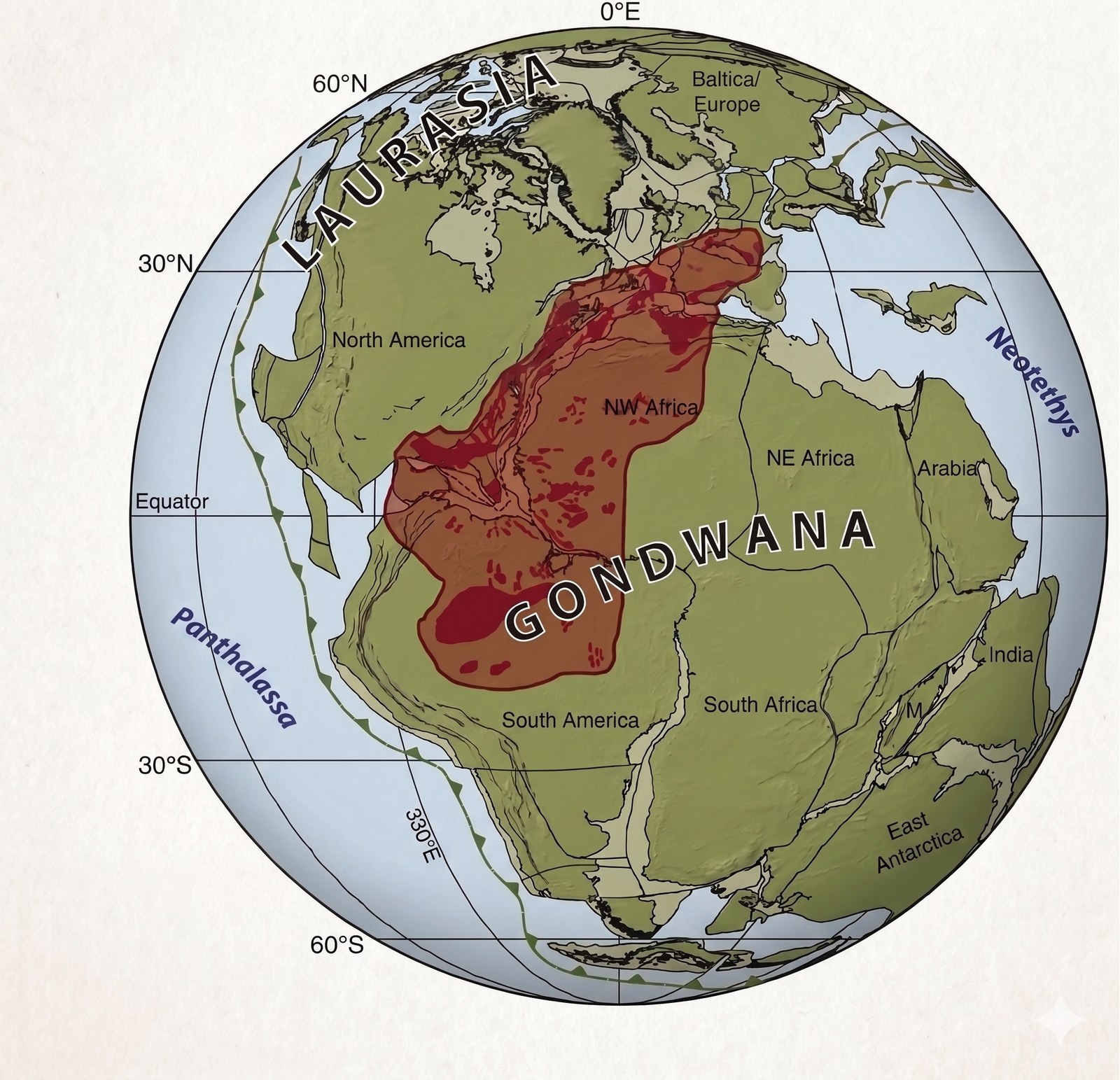
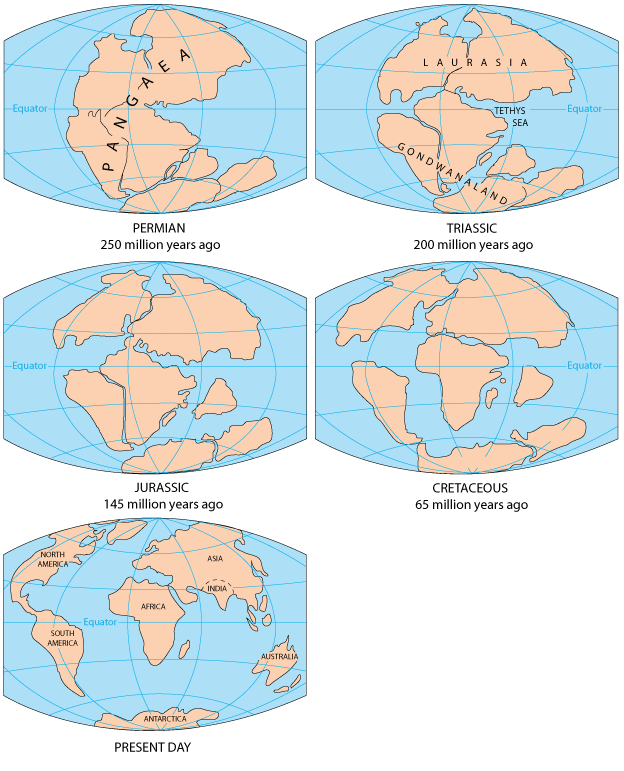
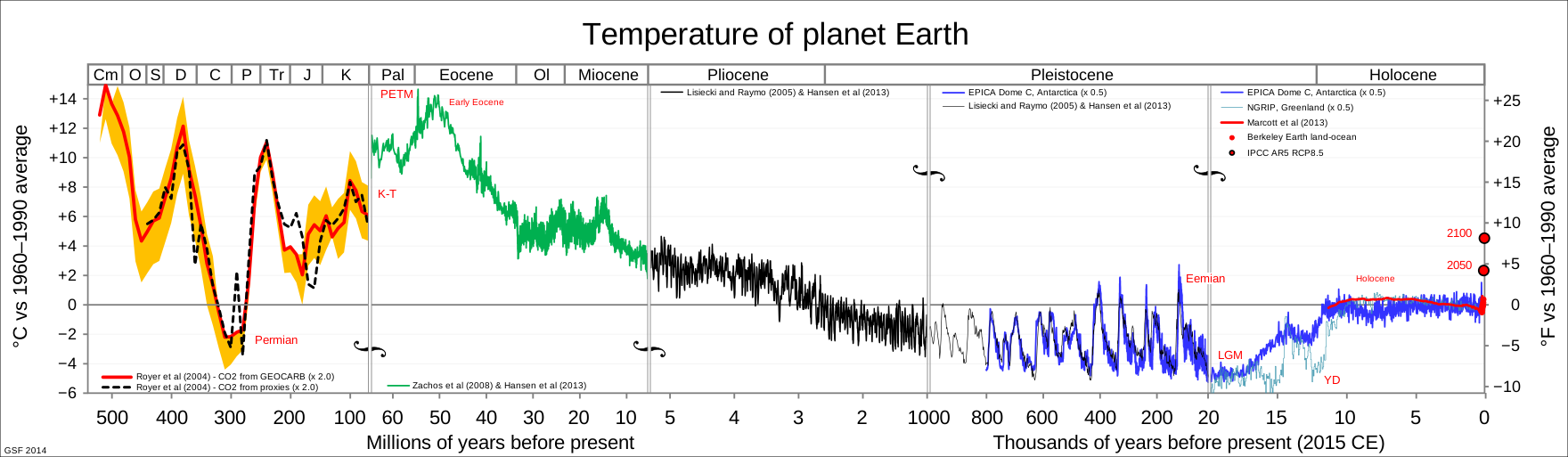
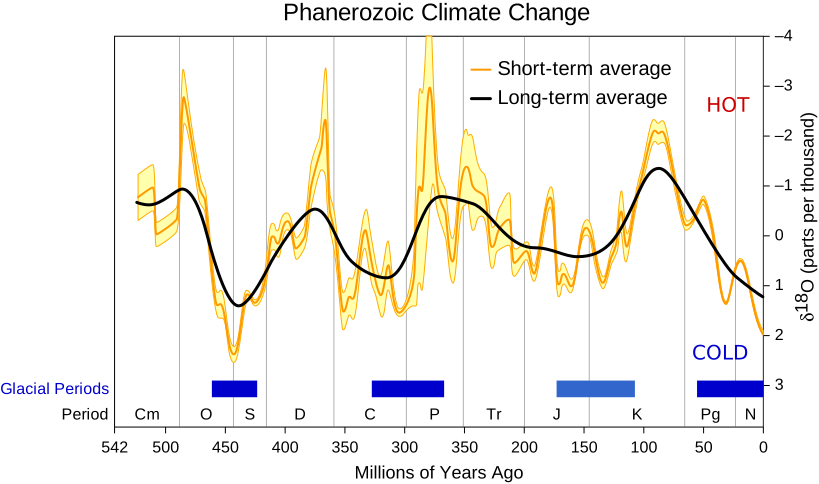
The Ordovician-Silurian Extinction, around 443 million years ago, is the second largest mass extinction in the fossil record, wiping out roughly 85% of all known marine species. At that moment, complex life was almost entirely confined to the oceans: no vertebrates yet walked on land, and vascular plants had barely begun colonizing continental margins. The event unfolded in two distinct pulses. The first, in the late Katian Age (~445 Ma), was triggered by the drift of supercontinent Gondwana toward the South Pole, starting an intense glaciation that dropped sea level by up to 100 meters and drained the shallow tropical seas where most organisms lived. The second pulse, in the early Hirnantian (~443 Ma), resulted from abrupt deglaciation: rapid melting of glaciers released cold, anoxic, sulfidic waters into the oceans, creating dead zones that spread across the seafloor. The combination of these two opposing mechanisms, cooling followed by warming and anoxia, made the event especially lethal. Entire groups such as graptolites, conodonts, and many trilobite and brachiopod lineages were drastically reduced or extinct. The Silurian seas that emerged from this crisis were radically different: fewer species, but with surviving groups poised to diversify rapidly.
- Glaciation of Gondwana over the South Pole, beginning ~445 Ma
- Sea-level fall of up to 100 meters, destroying shallow tropical habitats
- Abrupt global cooling and collapse of oceanic productivity
- Rapid deglaciation producing anoxia and sulfidic deep waters (~443 Ma)
- Expansion of oxygen-free ocean zones from the depths onto shallow shelves
Approximately 70% of trilobite genera, 60% of brachiopod genera, virtually all planktonic graptolites, conodonts, echinoderms, nautiloids, and reef communities of calcareous sponges and tabulate corals.
Cold-water brachiopod lineages (the Hirnantian fauna), bivalve mollusks, some benthic graptolites, primitive jawless fish (agnathans), and green algae ancestral to land plants.
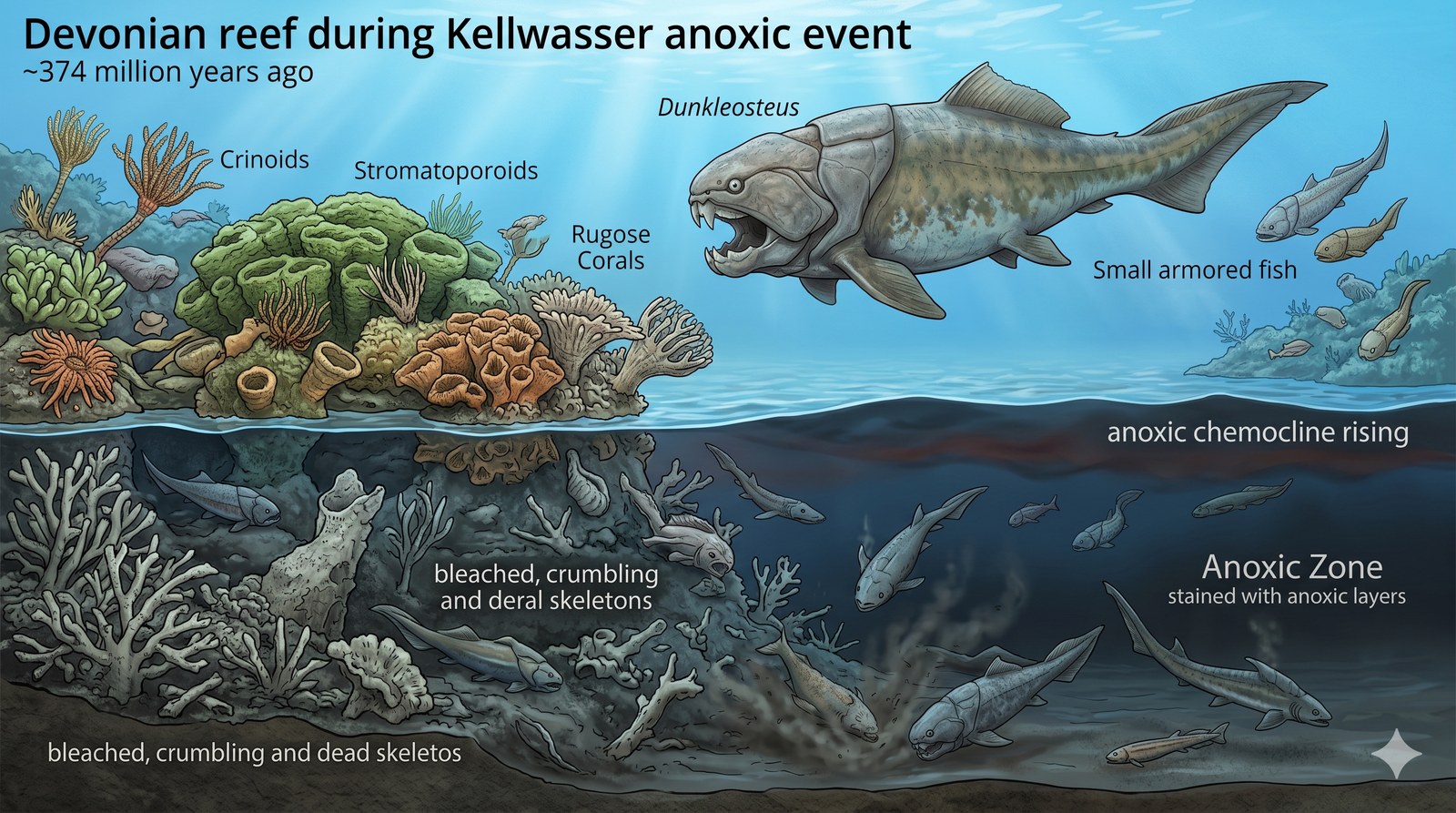
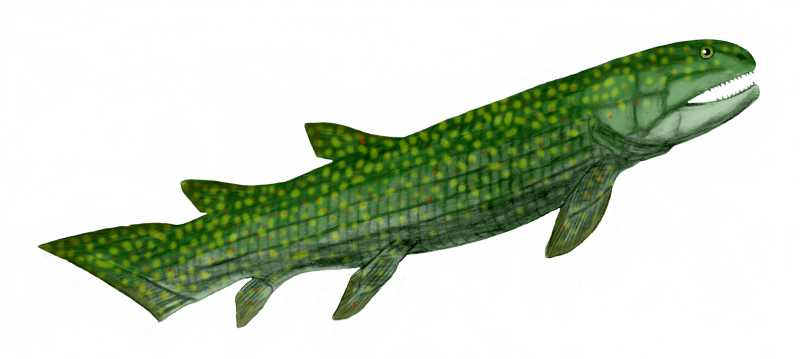
The extinction completely reshaped early Silurian seas. Surviving brachiopods diversified rapidly, rebuilding reefs with new architectures of rugose corals and stromatoporoids. The first jawed fish (including ancestors of Devonian placoderms) took advantage of the freed ecological space. The extinction eliminated planktonic graptolites, which had been so abundant that their fossils now serve as stratigraphic markers for dating Paleozoic rocks worldwide.
Reference
Sheehan, P.M. (2001). The Late Ordovician mass extinction. Annual Review of Earth and Planetary Sciences, 29, 331–364. / Finnegan, S., et al. (2012). The magnitude and duration of Late Ordovician–Early Silurian glaciation. Science, 331, 903–906.